This post in the next paragraphs pertaining to What Can Happen If You Flush Food Down the Toilet? is particularly fascinating. Check it out for yourself and figure out what you think of it.
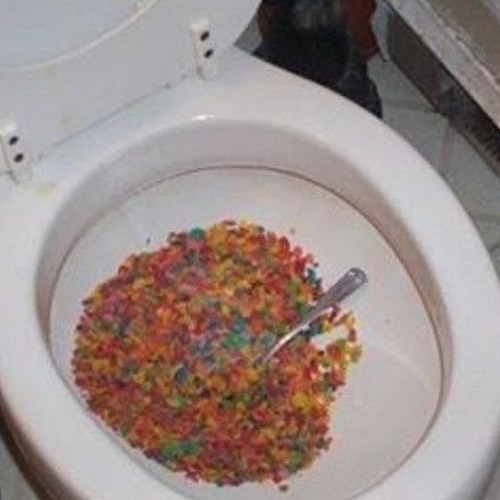
Introduction
Many people are usually faced with the predicament of what to do with food waste, especially when it involves leftovers or scraps. One typical concern that occurs is whether it's okay to flush food down the bathroom. In this article, we'll explore the reasons that people might consider purging food, the effects of doing so, and alternate techniques for proper disposal.
Reasons why people may take into consideration flushing food
Lack of recognition
Some people might not recognize the prospective harm caused by purging food down the commode. They might wrongly believe that it's a harmless practice.
Ease
Flushing food down the toilet may appear like a quick and simple service to disposing of undesirable scraps, especially when there's no neighboring trash bin offered.
Laziness
In some cases, people may simply pick to flush food out of sheer negligence, without taking into consideration the effects of their activities.
Consequences of flushing food down the toilet
Environmental impact
Food waste that ends up in waterways can add to air pollution and injury aquatic ecosystems. Additionally, the water used to purge food can strain water resources.
Plumbing problems
Flushing food can result in clogged pipes and drains, triggering costly plumbing repair work and aggravations.
Kinds of food that ought to not be purged
Fibrous foods
Foods with fibrous textures such as celery or corn husks can get entangled in pipelines and cause clogs.
Starchy foods
Starchy foods like pasta and rice can absorb water and swell, bring about blockages in pipes.
Oils and fats
Greasy foods like bacon or food preparation oils must never ever be purged down the toilet as they can strengthen and trigger blockages.
Proper disposal approaches for food waste
Making use of a waste disposal unit
For homes furnished with garbage disposals, food scraps can be ground up and flushed with the pipes system. However, not all foods appropriate for disposal in this way.
Recycling
Specific food packaging materials can be reused, decreasing waste and minimizing environmental influence.
Composting
Composting is a green way to deal with food waste. Organic products can be composted and made use of to enrich dirt for horticulture.
The importance of appropriate waste monitoring
Reducing environmental harm
Appropriate waste monitoring techniques, such as composting and recycling, aid minimize air pollution and maintain natural resources for future generations.
Securing plumbing systems
By staying clear of the technique of flushing food down the bathroom, property owners can avoid expensive pipes fixings and preserve the integrity of their pipes systems.
Verdict
To conclude, while it may be tempting to flush food down the commode for comfort, it's important to understand the prospective repercussions of this activity. By embracing correct waste monitoring methods and throwing away food waste responsibly, individuals can contribute to healthier pipes systems and a cleaner setting for all.
5 REASONS WHY YOU SHOULDN’T FLUSH FOOD DOWN THE TOILET
THE PIPES AREN’T DESIGNED FOR FOOD
Most pipes are not designed to run from your toilet to your major sewer and toilets are not designed to deal with food scraps to begin with. Because of this, food can easily block these pipes and create a backlog of raw sewage that can snow back into your home or apartment.
SOME FOOD CAN BLOCK SEWER LINES
Two of the most popular food substances that end up in sewage systems are fats and oils when cooking oil butter or bacon fat cools it solidifies, and this congeals on the inside of your sewer line initially it will constrict the flow of sewage and eventually stop it completely. Hardening cooking fats are causing extensive damage to sewers all around the country, forming fatbergs that can affect your entire District.
OTHER FOODS DEGRADE TOO SLOWLY
Foods such as apple cores corn on the cobs and animal bones take ages to decompose and if you flush this food down your toilet, it’ll take a miracle to avoid blocking it never mind the fact if it works its way through the sewage system it’s just going to end up as more fodder for the giant fatberg that’s hiding down there
MANY FOODS ABSORB WATER
Other foods such as oats and rice are very water absorbent and just swell up when they come into contact with it. So, flushing a bowl of oatmeal may seem innocent, but it’ll quickly clog up your sewer line.
SEWAGE MAINTENANCE IS COSTLY
Nobody likes taxes. It’s going to cause your District additional expenses by flushing food down into the sewage systems because this is going to cause massive disruption to your city’s wastewater processes. The cost of maintaining these systems is rising annually.
WHAT TO DO WITH YOUR LEFTOVERS INSTEAD OF FLUSHING THEM?
Some leftovers can easily be frozen or refrigerated to use at a later date, there are hundreds of different ways to repurpose leftover food If you have some smelly liquid-based food or cooking pots, you can pour them back into an old can and reseal it or get a leakproof plastic bag fill it and then just toss it back into the trash this will keep the smell nicely sealed away Virtually 100% of food waste can become composite. You can ask anyone near your locality if they have a composting program. Separate the scraps that can be used for this purpose and you can create your own pile if you have the space Now it’s time to tackle the number one reason people’s flush food scraps, they smell. The easiest solution to get to work around these is to put them in a plastic bag and freeze them. When trash day comes around just popped them into your bin and take it down to the curbside. https://dohertyplumbing.net/5-reasons-why-you-shouldnt-flush-food-down-the-toilet/
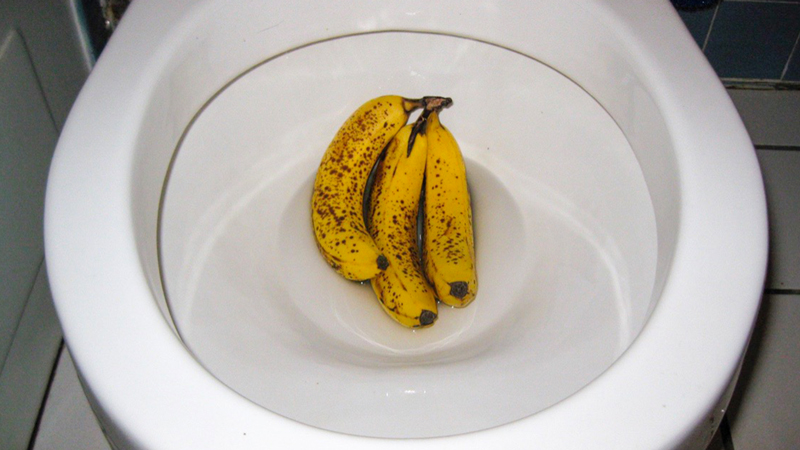
I hope you enjoyed our topic on Is it safe to flush food (especially rice) down the toilet?. Thank you for spending some time to browse our blog post. Appreciated our piece of writing? Please share it. Help other people discover it. Thank-you for taking the time to read it.
Visit Homepage